Solutions

Blast Vibration Monitoring

Real-time blast compliance without manual retrieval

Know every blast event in minutes, Not hours

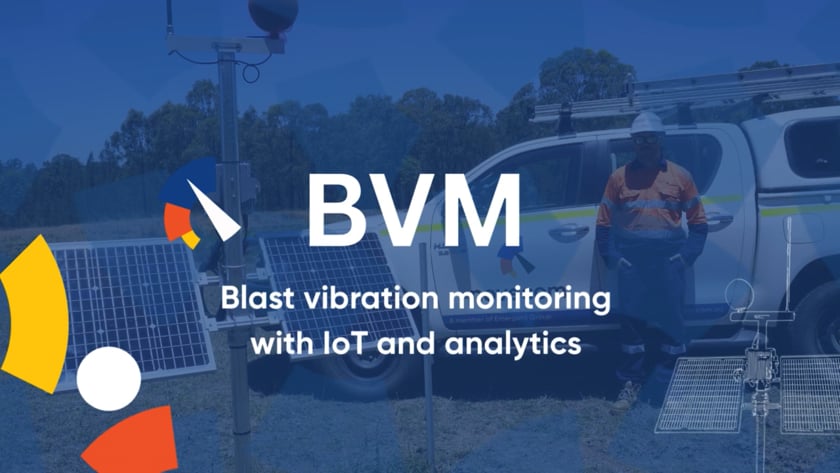
Forget chasing manual blast logs, retrieving data after site visits, or piecing together reports after the fact. Novecom’s blast vibration monitoring uses smart, rugged hardware installed at strategic locations around your site to automatically capture ground vibration and airblast data from every blast.

Using a self‑healing LoRa mesh network, blast data is reliably transmitted back to the SynaptiX platform without relying on a single cellular link or manual downloads. If one path is unavailable, data is routed another way, helping ensure consistent capture and delivery across large or complex sites.

Each blast event is detected, analysed, and made available in near real time, with alerts and ready‑to‑use outputs delivered straight to your device. No spreadsheets. No data gaps. No time spent chasing logs. Instead of managing the monitoring process, your team gets clear, defensible information that supports faster decisions, smoother compliance, and uninterrupted site operations

Recorded data points:

  • Peak particle velocity
  • P, S and R profiles
  • Overpressure
  • Date and time
  • Location

Benefits of Novecom's Blast Vibration Monitor

By merging advanced sensors, analytics, reporting and LoRa Mesh connectivity, our easy-to-use BVM solutions eliminate manual data collection and ensure compliant, efficient operations.

User friendly app interface
Durable hardware
Reliable connectivity - LoRa Mesh
Local support

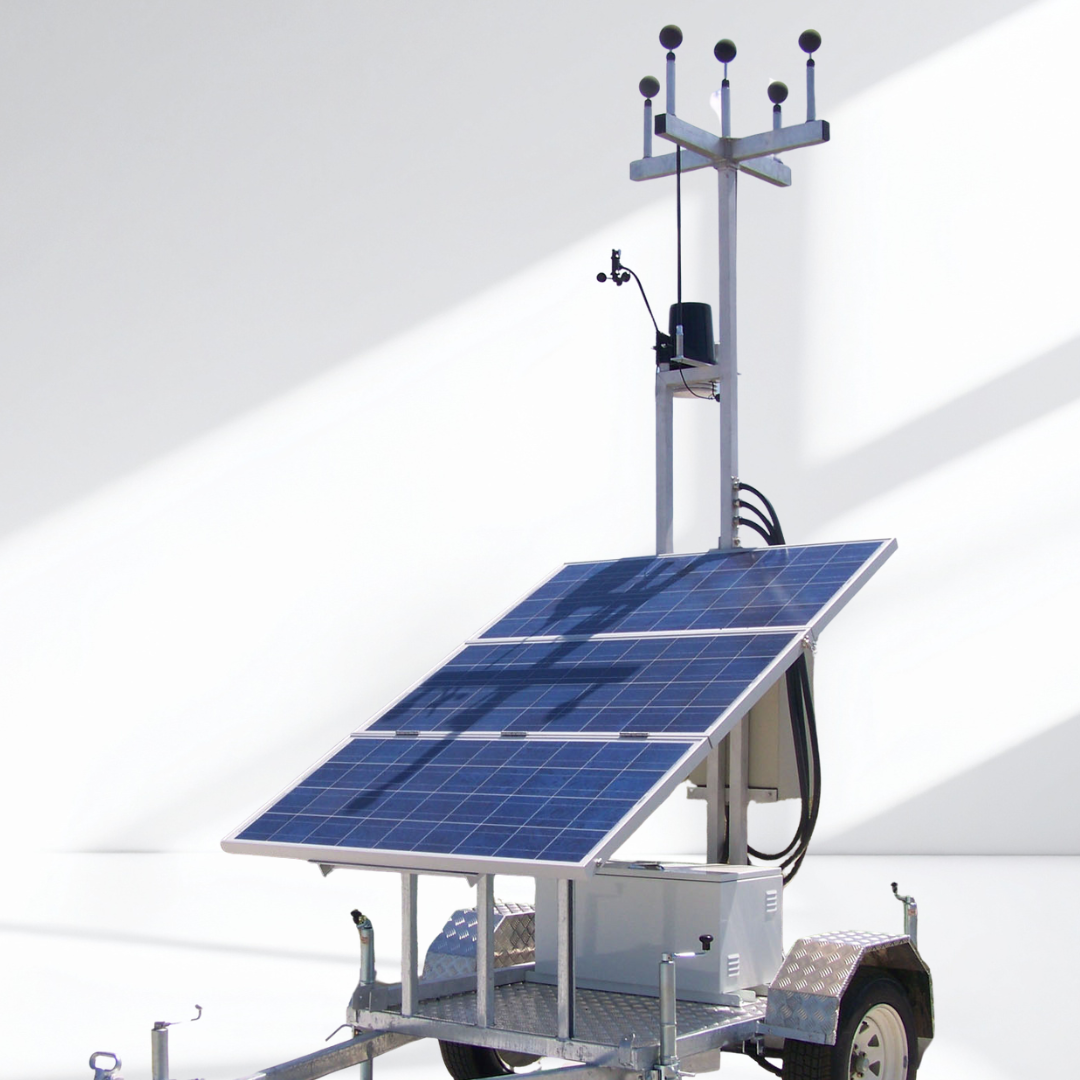
Our blast vibration monitoring hardware

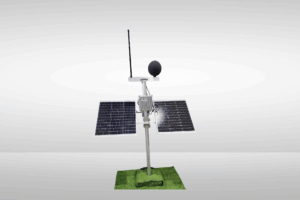
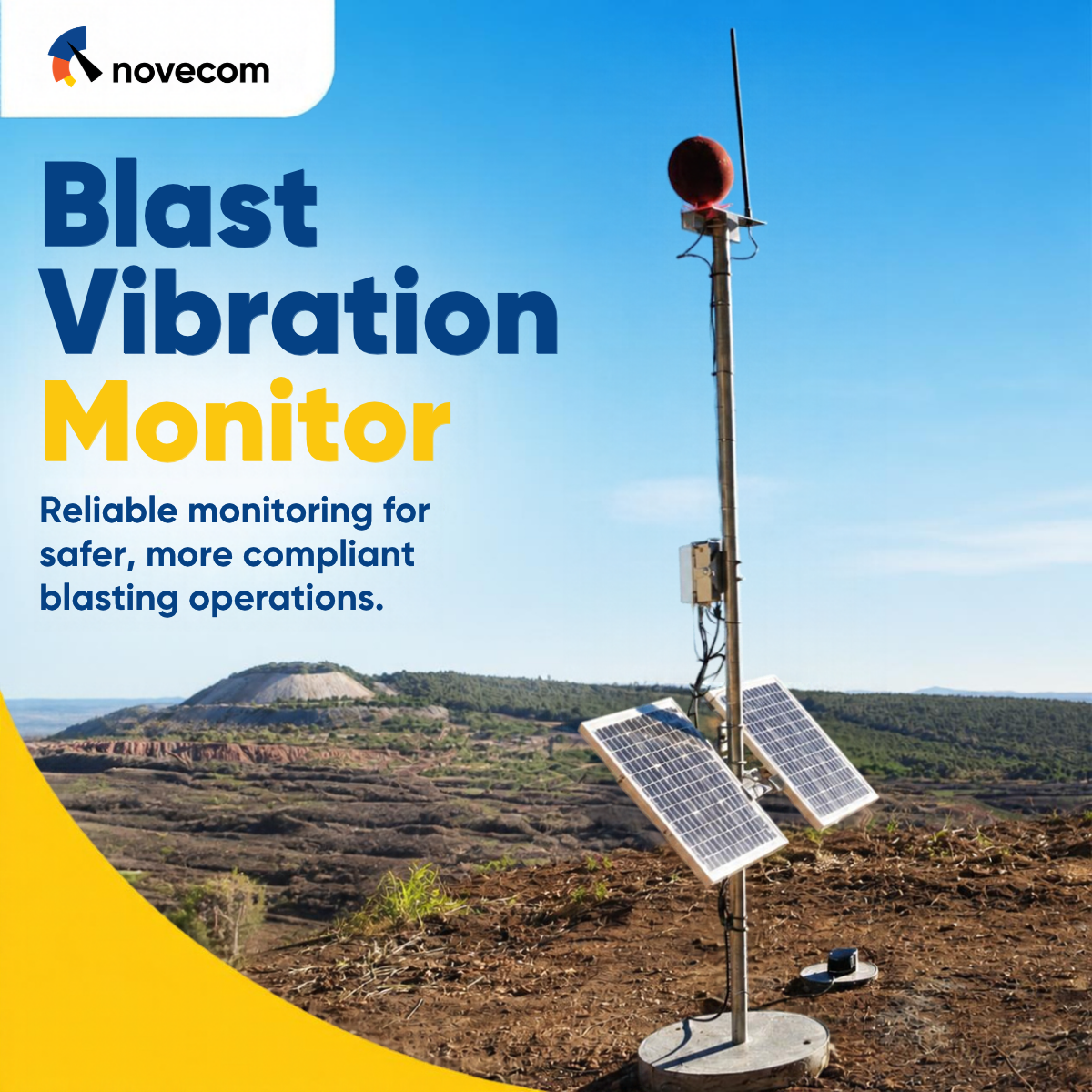
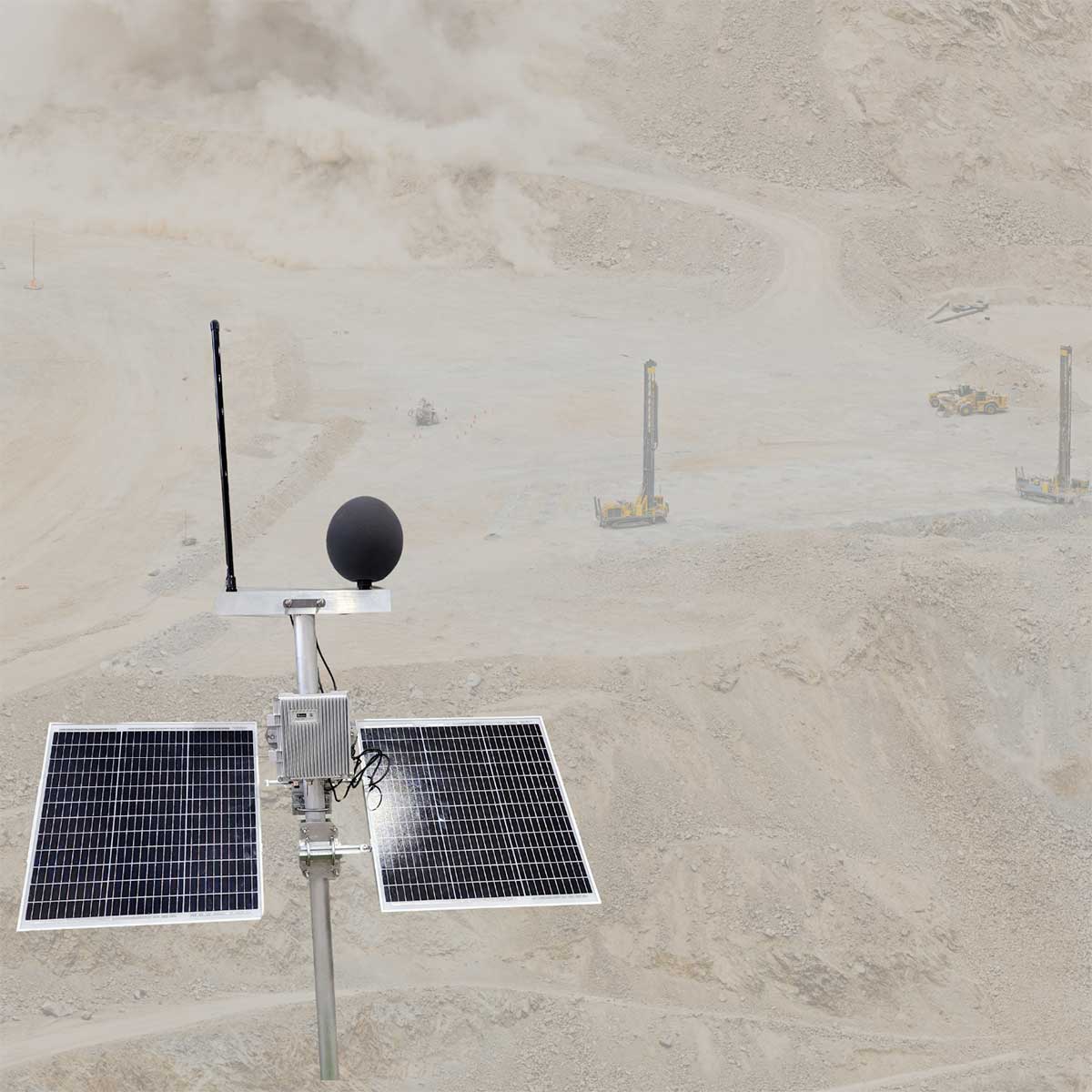
Blast Vibration Monitor in field

Blast Vibration Monitor

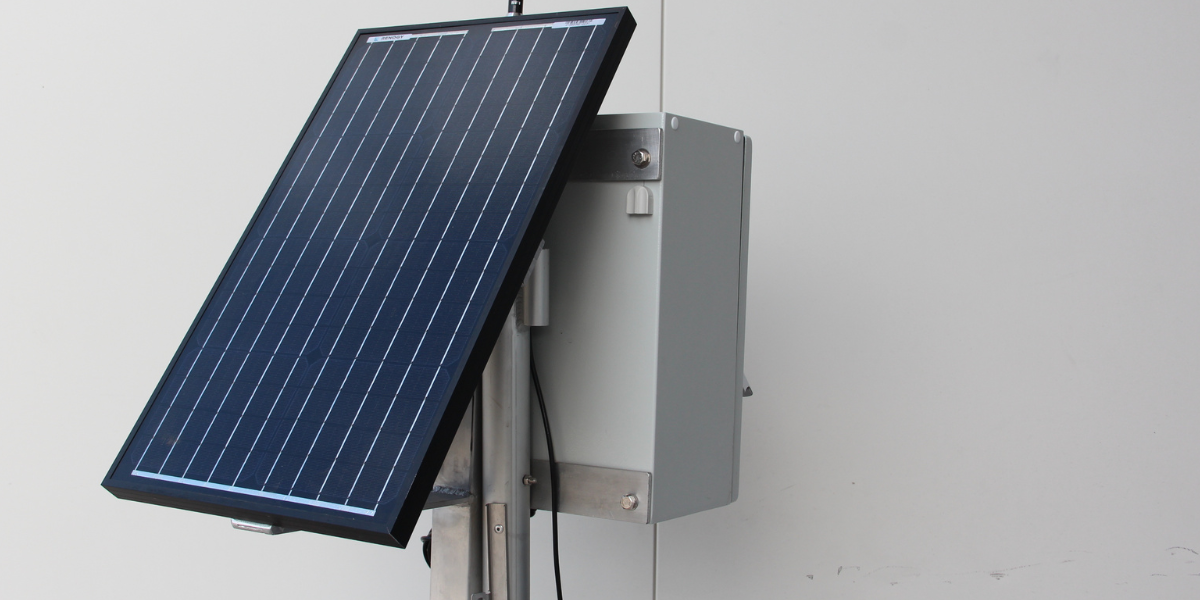
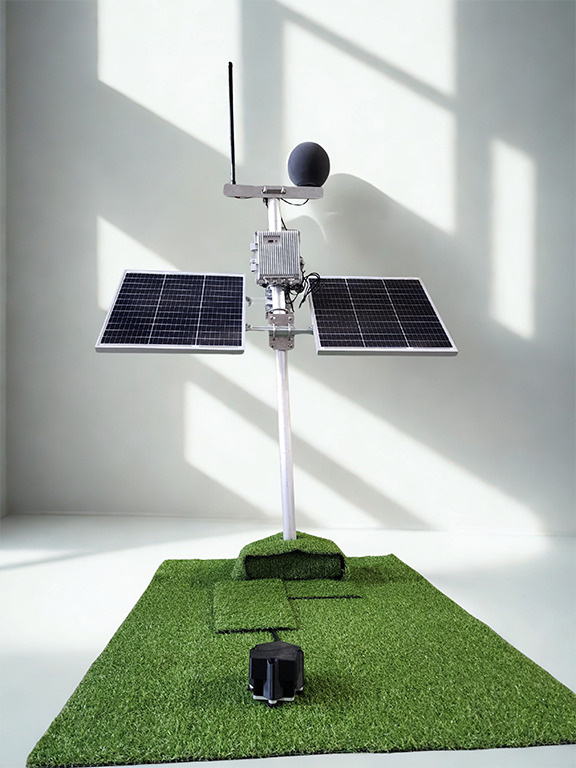
Enclosed in a ruggedised die-cast aluminium enclosure with IP66 protection, the blast vibration monitor meets AS 2187.2-2006 standards and is used to record the impacts of mine blasting events. It measures ground vibration and air overpressure using the following instruments.

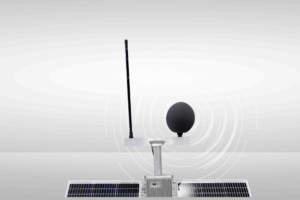
Omnidirectioonal microphone (air overpressure)

Omnidirectional microphone (air overpressure)

The omnidirectional microphone measures air overpressure from blasts. Mounted above the ground in a weatherproof case, it detects shockwaves and converts them into electrical signals. The system logs peak overpressure (in decibels or Pascals), duration, and frequency to support compliance with environmental and safety regulations.

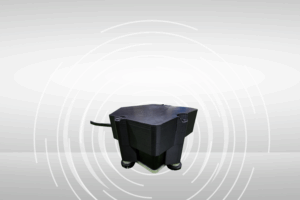
Triaxial geophone (ground vibration)

Triaxial geophone (ground vibration)

The triaxial geophone sensor detects ground movement in three directions: up-down, front-back, and side-to-side. It has three coils aligned to these directions. When the ground moves, each coil moves in a magnetic field, creating a voltage proportional to the movement’s speed. The monitoring unit records this data to measure the strength and direction of vibrations.

Featured Case Study

Blast Vibration Monitor QLD coal

Protecting Infrastructure and Compliance: Blast Vibration Monitoring for a Queensland Coal Project

A Queensland coal operation was navigating the dual challenge of maintaining production efficiency while meeting increasingly stringent environmental compliance requirements around blast vibration monitoring. As blasting activities progressed closer to a nearby critical electricity transmission infrastructure, the need for a more advanced approach to monitoring ground vibration and air overpressure became apparent.

OutcomeBlast optimisation, enhanced data accuracy, increased operational efficiency with an intuitive interface and reliable continuous monitoring.

Read the full case study

Smarter blast data. Safer, compliant operations.

Infographic showing our blast vibration monitoring in action.

BVM in action

Get in touch >

Trusted by Industry Leaders

Custom blast monitoring solutions for every industry

Every site has unique blast vibration challenges. Here’s what variables our solutions can measure in different environments.
mining

Mining

  • Ground vibrations from blasting activities
  • Compliance with local regulatory standards
  • Vibration intensity and impact on surrounding communities
  • Risks to stability of mine shafts, tunnels and surrounding rock formations
  • Safe mining practices by tracking vibrations and adjusting blasting

Infrastructure

  • Vibrations during blasting activities for construction/demolition projects
  • Compliance with vibration limits to protect surrounding infrastructure
  • Ground movement to prevent damage to roads, buildings and utilities
  • Safety protocols in urban construction zones near blasting operations
  • Vibration impacts on surrounding structures and assessing repair needs
Renewable energy

Renewable energy

  • Blast vibration during construction of wind farms and solar fields
  • Safe blasting practices around sensitive environmental zones
  • Protecting powerlines, substations and critical energy infrastructure
  • Impact of blasting on wildlife habitats and surrounding ecosystems
  • Stability of ground during the installation of renewable energy systems

Integrated solutions

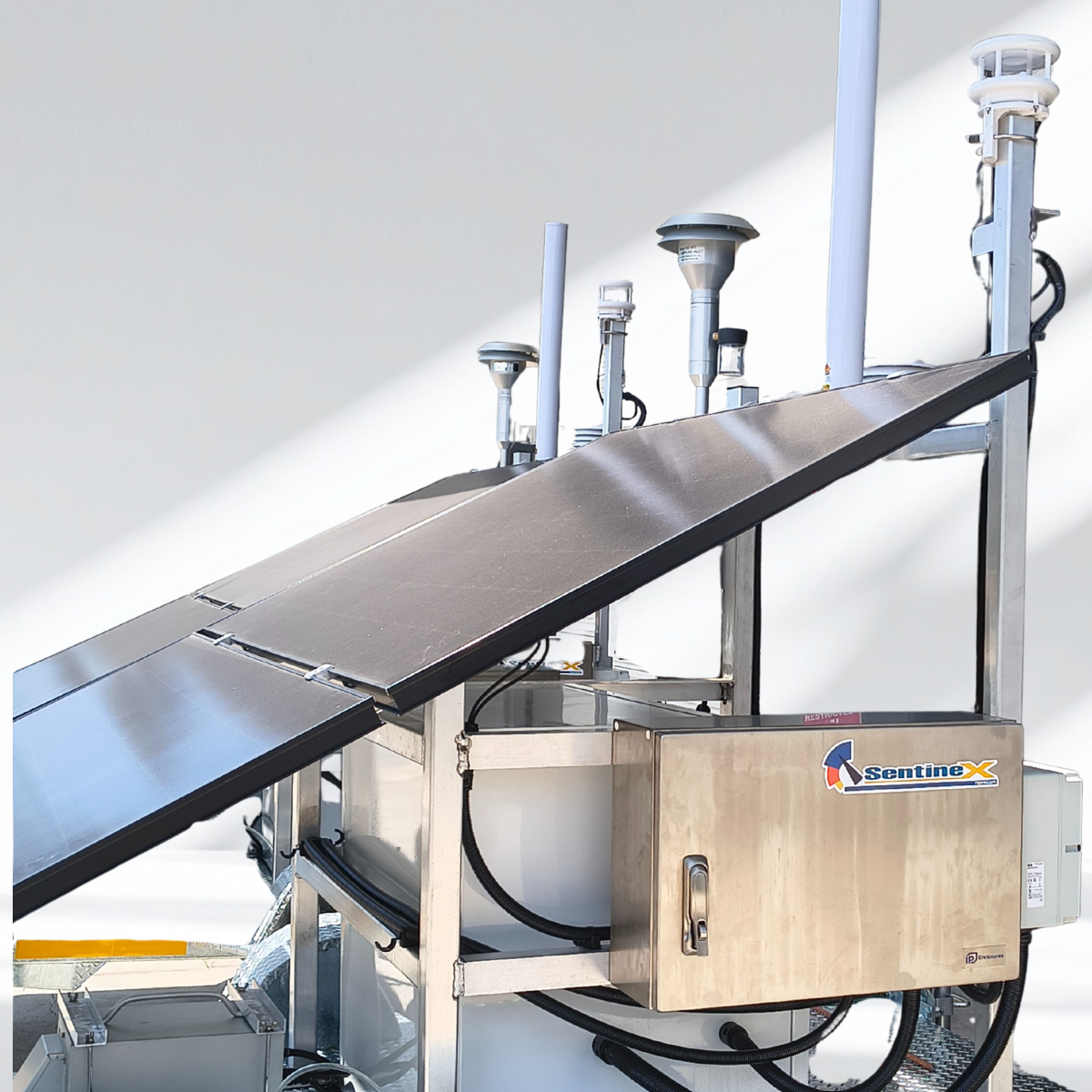
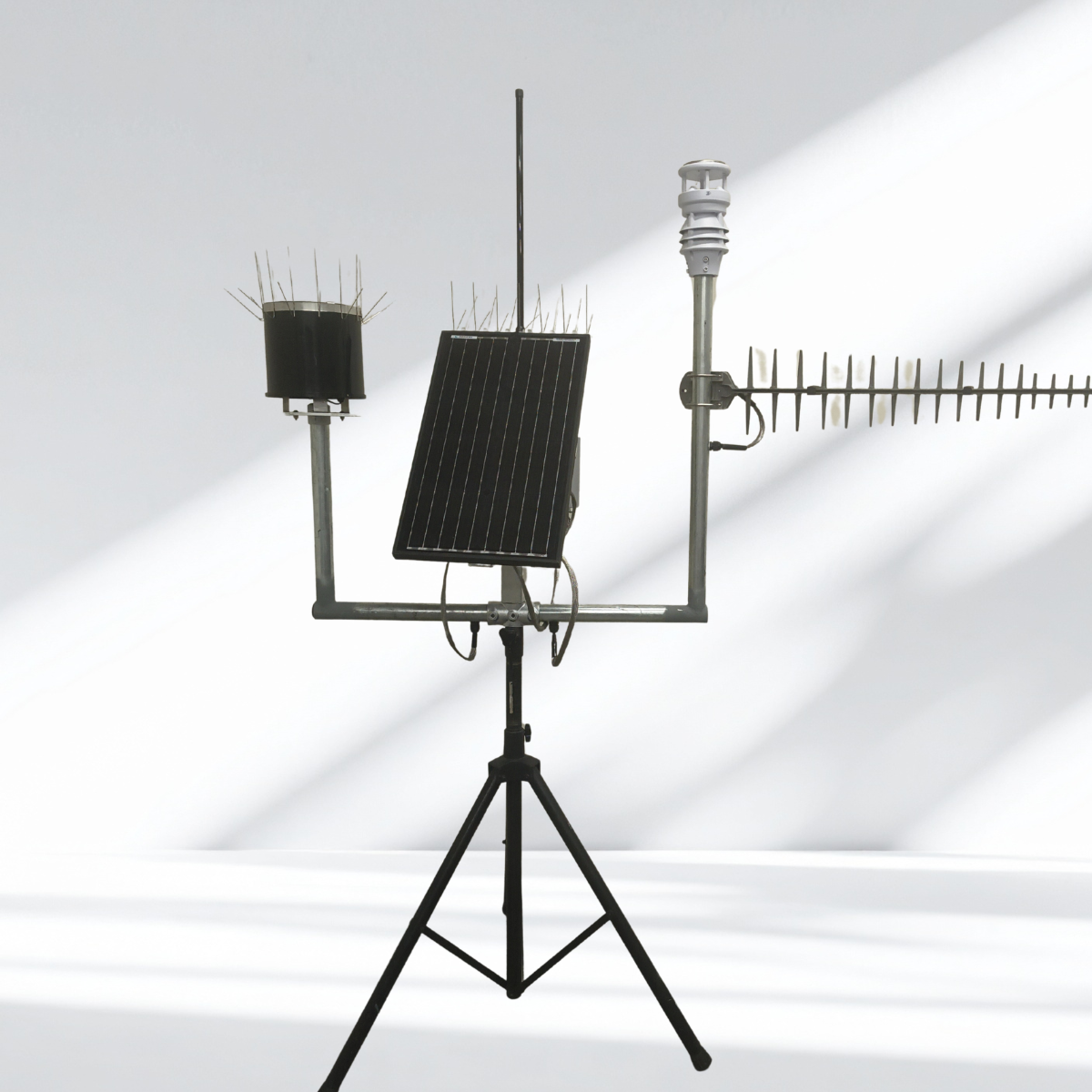
Our custom blast vibration monitoring solutions have the flexibility to integrate additional capabilities such as dust (air quality), noise, water, soil, and weather monitoring.

Dust Monitoring
Dust Monitoring
Read more
Weather Monitoring
Weather Monitoring
Read more
Noise Monitoring
Noise Monitoring
Read more
Water Monitoring
Water Monitoring
Read more

Reach out to the team to discuss your operational needs

Contact our team to see how our blast vibration monitoring (BVM) solution can help your team stay compliant, efficient and in control, without the additional admin headaches. No obligations, just insights.

Fill out this field
Please enter a valid email address.
Fill out this field
Fill out this field
Industry
Please select
Select an option
Fill out this field

Common questions about blast vibration monitoring

Blast vibration monitoring measures ground vibration and airblast overpressure from blasting to demonstrate compliance with licence conditions and Australian standards.

Menu