take, storage, discharge & Quality
Water and Flow Monitoring
Defensible water data for remote and regulated sites, designed, built and maintained in Newcastle.
Water take, water discharge and water storage are all measured, reported and audited in Australia now. What you have to prove, and how often, depends on what you are doing with the water and who regulates you.
An irrigator reporting take under a floodplain harvesting licence is answering a different question to a mine site demonstrating discharge quality at a licensed release point. A construction site tracking stormwater runoff is answering a third. The one thing they share is that a spreadsheet of manual readings taken when someone had time to drive out there no longer settles the question.
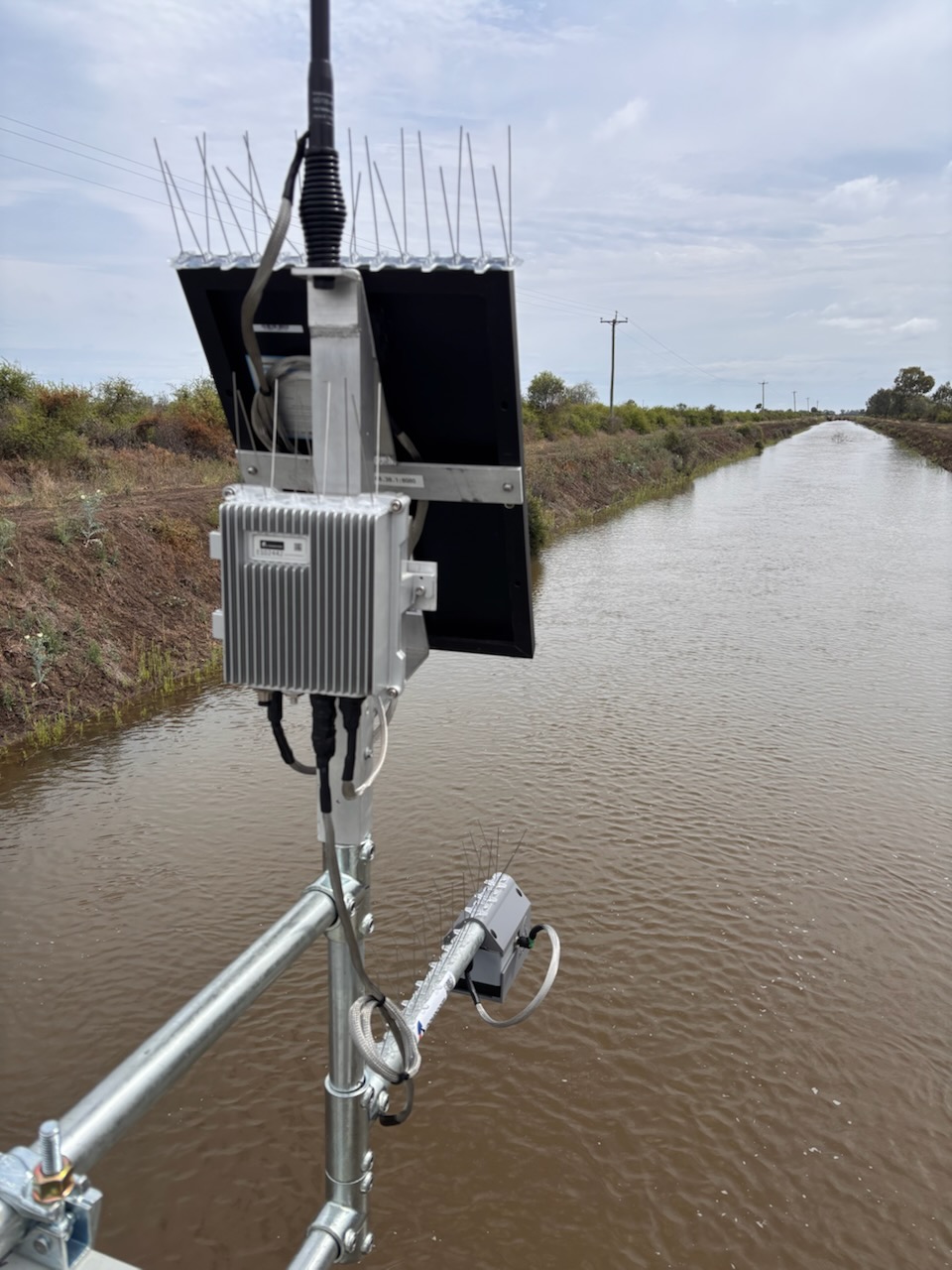
SynaptiX® Flow measures flow from above the water. A radar sensor mounted on a bridge, culvert, headwall or pole reads the water level and the speed of the surface beneath it, without touching the water. Combined with a survey of the channel taken at installation, those readings give you flow rate and total volume through that point, updated about every five seconds.
Nothing is built in the channel. There are no civil works, no structure trapping sediment and no equipment under the water to foul or wash away in a high flow.

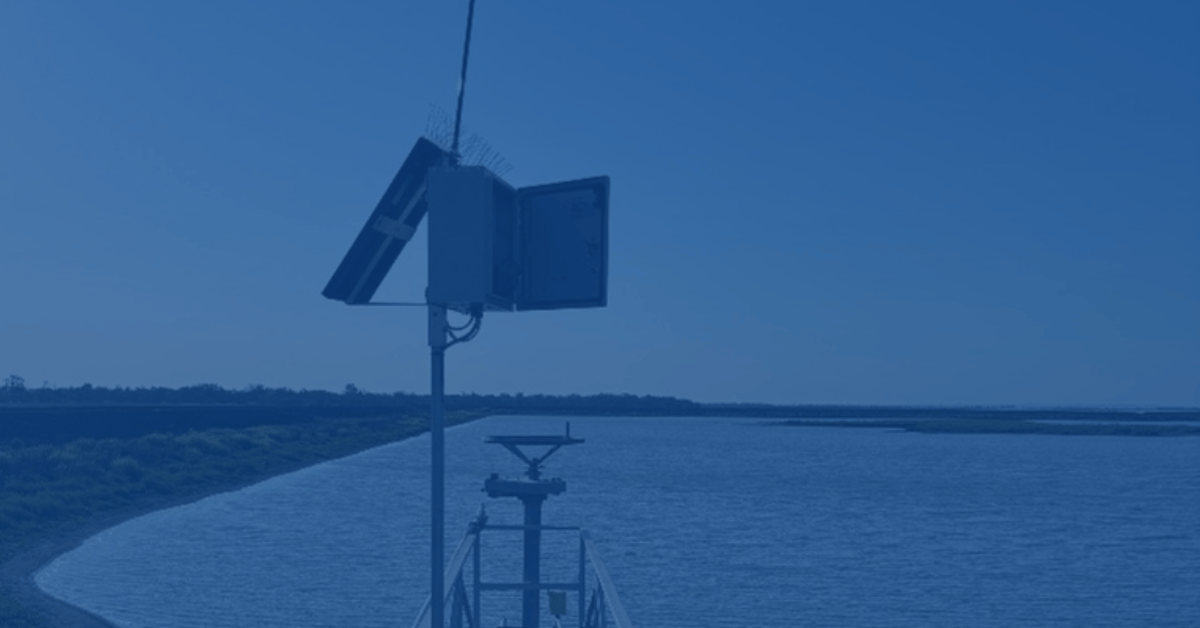
Remote dam level monitoring puts the reading in front of you without the drive out to the gauge board. You see the storage filling and drawing down as it happens, including the back dam you most need to watch.
Set the levels that matter to your operation and you hear about it while there is still time to act, whether that is an overflow, a storage running short before irrigation, or a sediment basin filling after rain. This applies to farm dams, mine site water dams, tailings storages, reservoirs and site tanks.
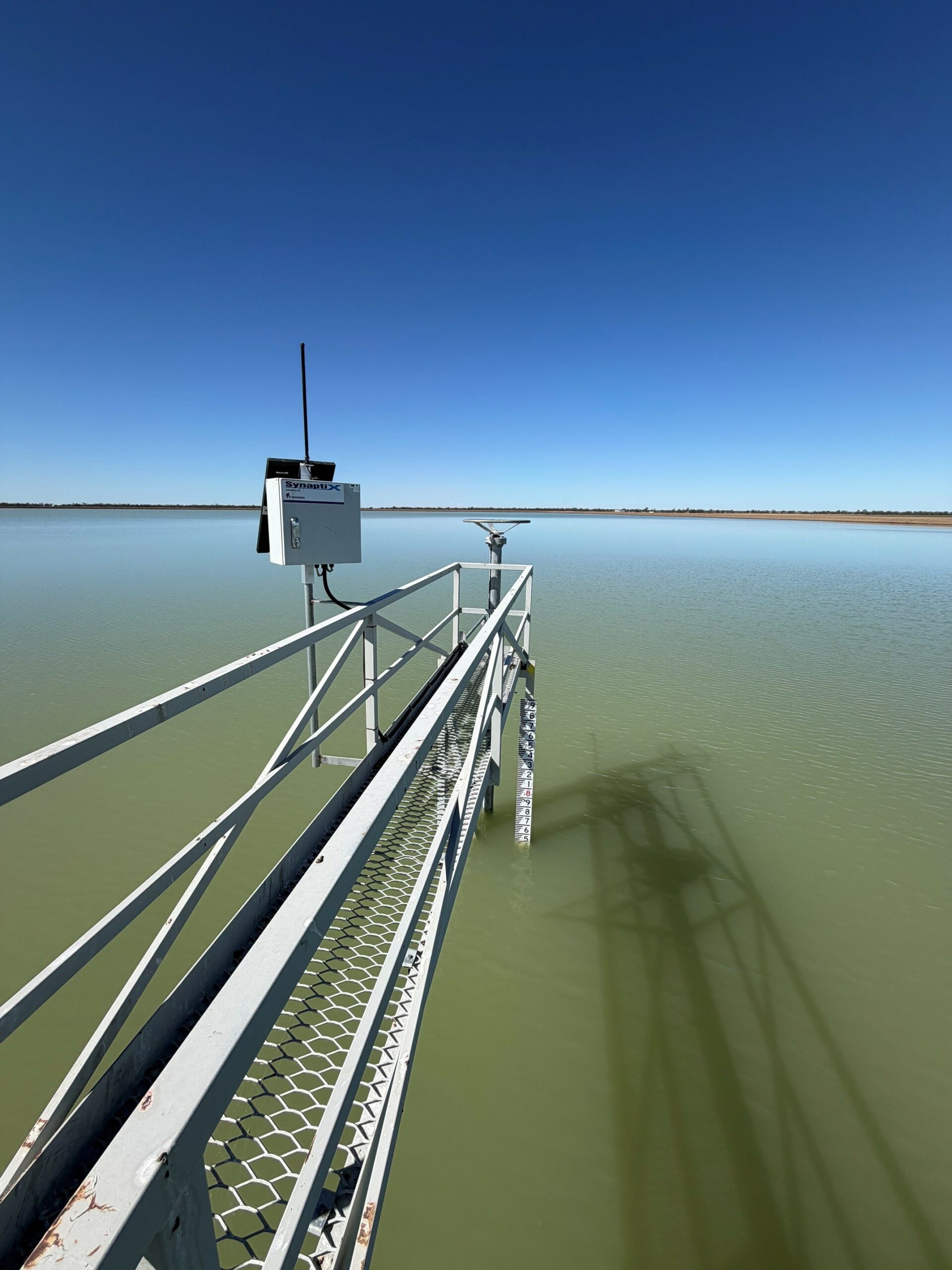
If you hold a floodplain harvesting entitlement in NSW, how your storage is measured is set by the Floodplain Harvesting Measurement Policy. SynaptiX LID has been assessed and listed by the NSW Government as meeting that policy. It works with an approved storage meter and sends your readings automatically, via a WaterNSW SIM, to the government data acquisition service.
Each unit is sealed and solar-powered, comes with mounting frames for remote storages, and is installed by a Duly Qualified Person.
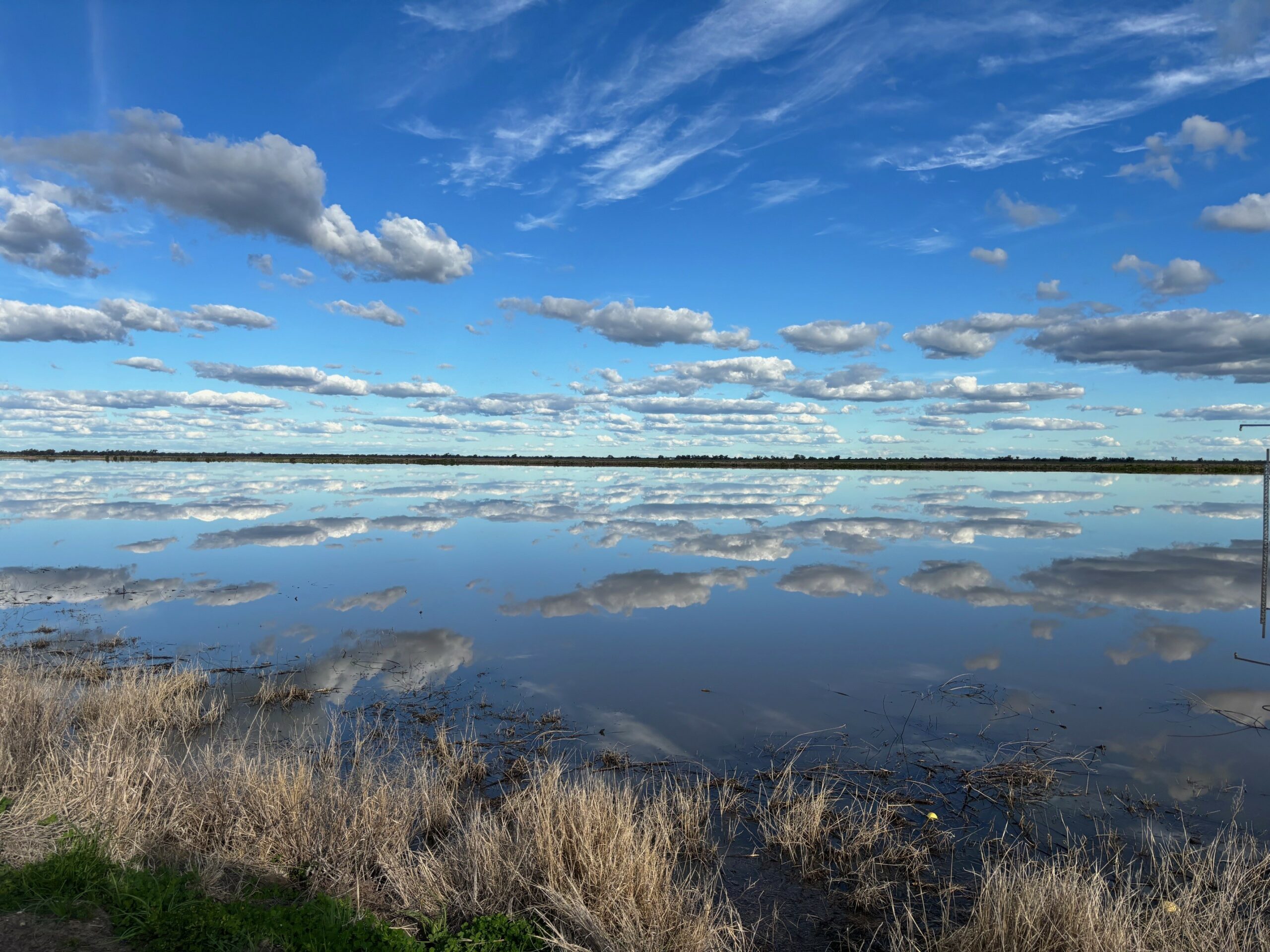
Continuous water quality monitoring records pH, electrical conductivity and turbidity at your discharge point around the clock, not just when a sample is taken. These are the parameters that move fastest after rain or a process upset, and the ones a regulator will ask about.
Sensors are selected for the parameters in your licence conditions, readings are validated before they reach your reporting, and you are alerted when a parameter moves outside your limits.
In episode 4 ‘Water Wise Farming ‘, Novecom’s former Managing Director, Jeremy Pola, talks about the benefits of being able to remotely monitor water resources.
Managing your environmental obligations and stakeholder expectations cannot be done with snapshot retrospective monitoring – better business decisions can be made based on timely, reliable data.
Every site measures water for a different reason. Here is what operators in each sector typically need to see.
Water rarely sits on its own licence. The same field infrastructure can carry dust and air quality, noise, weather, soil and blast vibration monitoring, reported through one system rather than four.
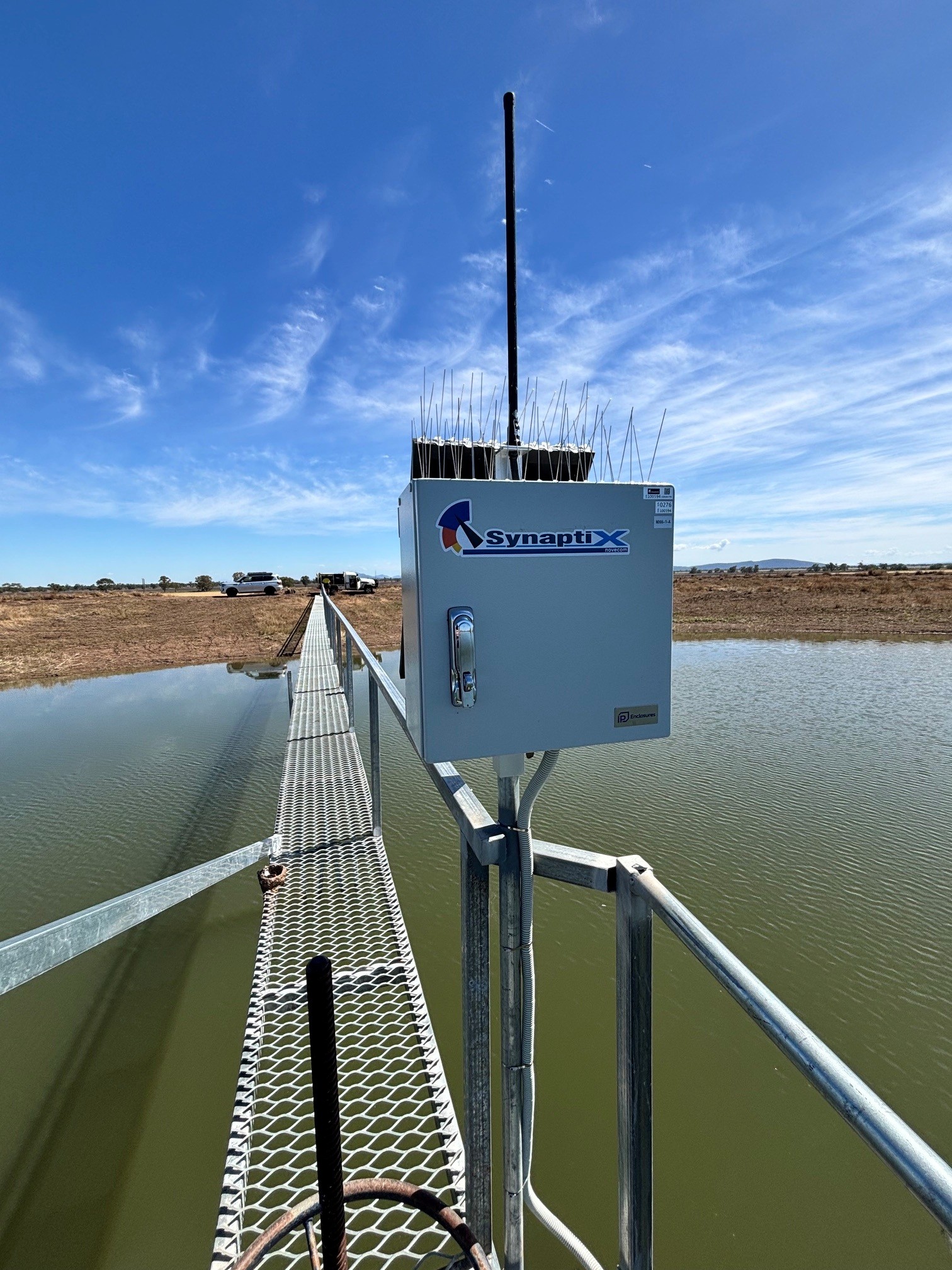
Duly Qualified Persons installing floodplain harvesting meters in NSW explain why they specify SynaptiX LID, and a Northern NSW irrigator describes using hourly reporting during flood events to manage gate operations.


Tell us what you have to report and who you report it to. We will tell you what measuring it properly involves, and what it will take to keep it running.